200+ Indie Studios Join Forces on Steam: Can Collective Discovery Beat the Algorithm?
By Vinny Panzza · TOP Indie Finder ·
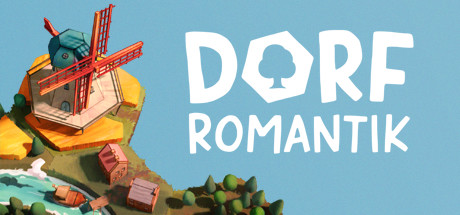
More than 200 independent studios are participating in the Indie Treasures Sale on Steam, a collective promotion organized by Berlin-based Toukana Interactive. The event began November 1 and is scheduled to run through November 15, meaning it remains live as of November 10. Toukana is best known for Dorfromantik and is also developing Star Birds. Its official Steam event calls the promotion an opportunity to discover games from small independent teams, grouped into areas such as cozy games, building, action, stories and horror. This is a studio-led third-party event hosted on Steam, not a new Valve-operated seasonal sale.
The scale is unusually ambitious for a developer-organized campaign. Toukana's announcement describes a network of more than 200 participating studios, including teams connected to widely recognized independent titles alongside smaller newcomers. Its original press release named games and developers associated with PEAK, Mini Motorways, Cult of the Lamb and Don't Starve Together. The organizer says it wants the event to become a recurring space for independent games; that is an aspiration, not an announced permanent appointment on Valve's calendar. The promotion includes discounts on selected released games, while some upcoming projects benefit from additional wishlist exposure.
Other participants have independently acknowledged the arrangement. Rockfish Games used its November 6 announcement to direct players to the sale while highlighting offers across its EVERSPACE series. Steam announcements from developers including Egosoft also reference the coordinated campaign. The event's public storefront offers a real place for players to browse now, but the organizers have not released an independently audited total for traffic, sales, incremental wishlists or revenues generated by the promotion. Counting the number of participating studios demonstrates collaboration, not a measurable sales success by itself.
Industry analysis: what this could mean for indie developers
For an independent studio, the difficult part of a Steam release often starts long before the launch button is pressed: becoming visible among thousands of competing games. Store algorithms, short-lived social-media attention and the limited number of features on discovery pages mean that a good game may still struggle to reach players who would enjoy it. Cooperative campaigns provide another route. Each studio can bring its own audience to a shared page, which introduces existing fans to games they otherwise might never search for.
This also changes the marketing conversation. A collective event can give smaller developers access to an organized theme, consistent artwork, cross-promotional posts and creator attention without hiring a full external marketing agency. When teams exchange recommendations, they are borrowing trust as much as reach. A player who loves a well-regarded title can be more willing to examine a featured unknown game from a neighboring genre. A carefully curated selection helps avoid the feeling of browsing a completely unfiltered catalog. The benefit is plausible, but individual conversion rates remain unverified.
There are limits to the strategy. Better-known games can attract most of the clicks, leaving very small developers with only a brief appearance beside recognizable brands. Discounts may lift short-term sales but can reduce revenue per copy, especially for studios with narrow margins or a game that rarely goes on sale. Developers should examine which promotion actually brought store visits, wishlists and purchases rather than assume that simply joining a large sale will fix discoverability. The event is also competing with Steam's many other themed festivals and everyday promotions for attention.
The most interesting opportunity may be organizational rather than financial. Independent teams normally compete for visibility, but this promotion shows they can also cooperate while retaining their separate businesses and storefronts. Studios can compare which genres, visual hooks and recommendation formats attract visitors, and use those observations when planning future launches. Toukana's November 15 end date provides a natural point for assessing results, though those figures may never be publicly released. For now, Indie Treasures is a documented industry experiment: a developer-led attempt to turn a fragmented community into a discovery network.
Sources: Indie Treasures Sale — official Steam event organized by Toukana ↗ · Toukana Interactive, original November 1 launch announcement ↗ · Rockfish Games' November 6 participant announcement ↗ · SteamDB event listing and current dates ↗. Checked 2026-11-10T09:35:57.619Z.