Europe's Loot Box Crackdown Could Redraw Indie Monetization — But It Is Not Law Yet
By Vinny Panzza · TOP Indie Finder ·
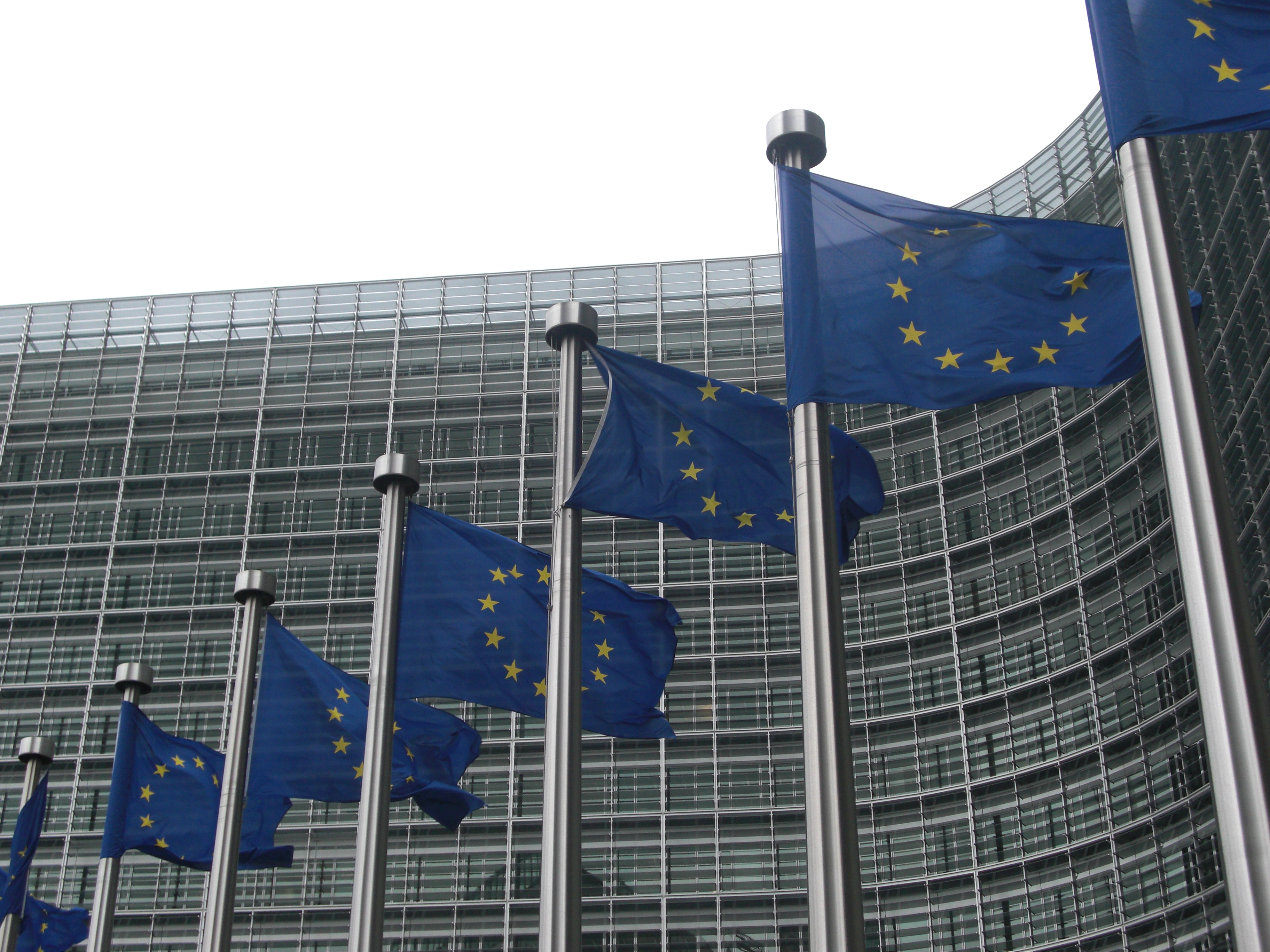
Photo: Sébastien Bertrand / Wikimedia Commons (CC BY 2.0).
European regulators are preparing a potentially significant shift in how games can sell randomized rewards and digital currency, but developers should not mistake a leaked proposal for a new law. PocketGamer.biz reported on November 10 that a preliminary version of the European Commission's Digital Fairness Act contains specific video-game provisions. The Commission's own consumer-law page confirms that the initiative is under preparation and concerns manipulative interface design, addictive features and unfair pricing practices. It does not establish that every reported gaming rule has been formally adopted.
According to PocketGamer.biz's description of the draft, the proposed measures would require clearer disclosure of the real-money value of virtual currency and of item probabilities in variable-reward systems. They would also restrict paid loot boxes and pay-to-win or pay-to-progress mechanics for minors. In-game paid currencies would reportedly be off by default for children unless a parent approved access. These are reported draft terms, not presently enforceable obligations created by this article or by the leak.
The broader proposal has consequences beyond games. Reuters reported on November 9 that draft European consumer rules contemplate penalties as high as six percent of global annual turnover for certain violations and measures against misleading or compulsive digital design. That is a potential enforcement ceiling, not a routine fine on small studios and not evidence that any particular game is being investigated. A Commission proposal would still need legislative agreement through the European Parliament and EU member states, during which its details can change.
The Commission has a public policy basis for prioritizing young consumers. Its July survey of almost 5,000 children across EU countries found substantial demand for safeguards against addictive design and personalized advertising or pricing. That research does not demonstrate that one genre or game is uniquely harmful; it explains why authorities are examining how online products prompt spending and repeat engagement. At the time of this report, the Commission's public consumer-law description still labels the Digital Fairness Act as being prepared. We have therefore not treated leaked clauses as finalized text.
Industry analysis: what this could mean for indie developers
For an independent developer, the practical question is less whether every loot box disappears tomorrow and more how to build a monetization model that survives changing expectations. A small free-to-play team may have to budget for clearer storefront descriptions, transaction records, age-appropriate defaults, parental-consent flows and technical controls. Those are implementation possibilities if the reported provisions survive, not requirements already in force. Studios selling a fixed-price game or transparent expansion may face fewer design changes, although the broader prohibition on manipulative interfaces could still matter.
Compliance costs could hit small developers disproportionately. A publisher with a legal department can absorb a new disclosure screen or spending-control system across multiple titles; a two-person studio may need to replace a shop design altogether. Conversely, transparent pricing can become a credible selling point. Letting players understand exactly what they buy could reduce distrust and provide an alternative to reward systems optimized primarily for retention or unpredictable spending.
Games available globally complicate the engineering decision. Developers could maintain different features for different markets, or adopt a common higher standard and avoid region-specific forks. Both strategies have trade-offs: region checks, parental controls and support requests cost money, while global restrictions may lower certain forms of revenue. Players also vary; an optional cosmetic purchase is not automatically the same as a paid randomized advantage. The final definitions will matter more than an alarming headline.
The next milestone is the published legislative text and the subsequent parliamentary debate. Until then, indie teams can audit their user journeys and document where money, odds or artificial urgency shape an experience, without pretending a draft has already banned their game. The potential opportunity is fairer trust-based monetization; the risk is another compliance burden placed on the smallest teams. Neither outcome is settled.
Sources: European Commission — Digital Fairness Act initiative ↗ · PocketGamer.biz — leaked game-monetization provisions, Nov 10 ↗ · Reuters — reported EU draft and enforcement proposals, Nov 9 ↗ · European Commission — children's survey, July 9 ↗. Checked 2026-11-11T10:02:27.564Z.