Unity Buys Synty Studios to Stock Its AI Game Maker
By Noles C. · TOP Indie Finder ·
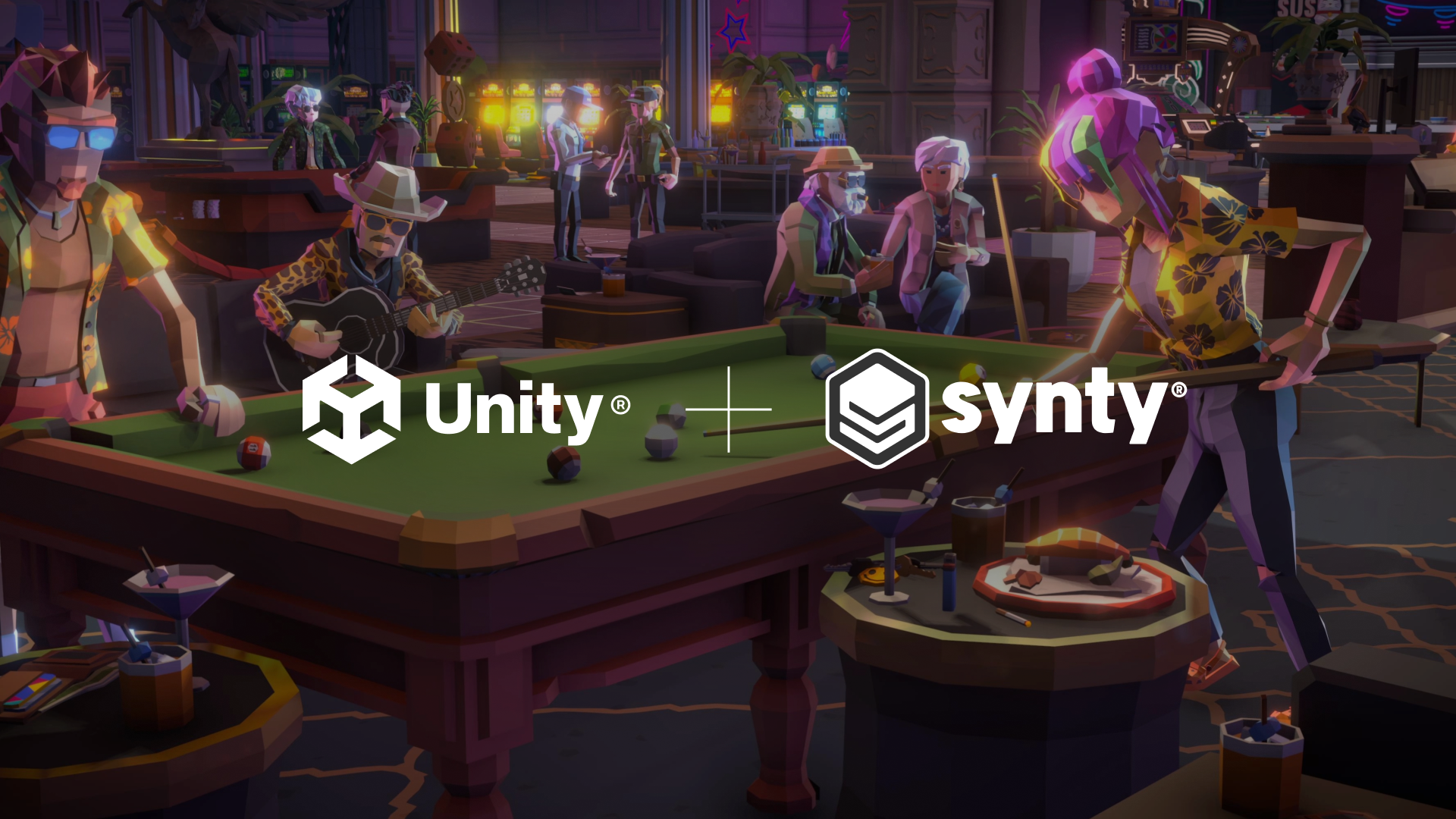
Unity has acquired Synty Studios, the New Zealand company behind the POLYGON range of stylized, low-poly 3D art packs that show up in a huge number of small and mid-sized games. Unity announced the deal in a blog post by its vice president of marketing, Chris Gfroehrer, dated November 16, 2026, timed to its Unite Tokyo event. Financial terms were not disclosed.
Synty was founded in 2014, when its two founders made a single asset pack over a weekend and published it on the Unity Asset Store. Unity now describes the library as more than 60,000 stylized assets; some outlets, quoting an earlier version of the announcement, put the figure at 70,000. The packs are sold for Unity, Unreal Engine and Godot through the Unity Asset Store, Synty’s own store and its Synty Pass subscription. Vertical Slice reported that Synty assets have been used in games including Dispatch and Tabletop Tavern.
The stated reason for the deal is Unity Spark, the company’s upcoming “AI-native” game creation platform, which Unity says will enter closed beta later this year. “Unity Spark is designed so anyone with an idea for a game can make it,” Gfroehrer wrote. Spark connects directly to the Unity Asset Store, and Unity says both Synty’s existing library and new packs made by its artists will be integrated into it.
Unity also listed what it says will not change. Existing packs, licenses and workflows carry on as before. Free Synty assets stay free. The Synty Store and Synty Pass keep running, and packs stay available for the engines they support today. Most of Synty’s artists are joining Unity full time. On pricing, the FAQ says there are “no plans to change Synty’s pricing at this time,” and on engine support it promises “plenty of notice before any future changes.”
The deal lands on contested ground. In October, Vertical Slice reported that Unity had begun “itemising” Asset Store packages, splitting them into individual items that can be discovered in Spark, and that publishers were opted in by default and had to exclude items manually. Unity told the outlet that assets are not being scraped or used to train AI models, that publishers can exclude any item at any time, and that Spark will start with a selection of free Asset Store content. Reaction to the Synty purchase on enthusiast sites was largely hostile, with GamingOnLinux predicting a wave of look-alike games.
Industry analysis: what this could mean for indie developers
For indie developers, the immediate question is dependence rather than access. Many small teams prototype or ship with Synty packs, and plenty of them work in Unreal or Godot, not Unity. Unity’s promises are carefully worded: “at this time” on pricing and “plenty of notice” on engine support. Those are reassurances, not guarantees. Studios that rely on the packs should keep local archives of what they have bought and keep a copy of the license terms they purchased under, which Unity says are unaffected.
The second risk is visual sameness. The Synty look is already easy for many players to recognize. If Spark lets people with no development experience assemble games from the same library, the number of Synty-styled releases could rise sharply, and some players may start to treat the style as a sign of low effort, fairly or not. That arrives after Valve warned that Steam build reviews can take up to 12 business days because of a jump in submissions, which Game Developer suggested may be partly driven by AI-made games. Teams that use the packs commercially will likely need custom materials, lighting, color palettes and silhouettes to stand out on a store page.
There is an opportunity, too. Unity paid for a human-made art library and is marketing Spark around “artist-created” assets, which suggests that handmade content still carries value inside AI tools. If Spark later supports paid assets, which Unity has said it is exploring, it could become a new sales channel for Asset Store artists. Because inclusion is opt-out, though, publishers who do not want their work in Spark must actively manage their listings.
A more cautious reading is that the purchase mainly gives Spark a consistent, properly licensed art base and avoids copyright questions around generated art. Whether Spark brings in new creators who go on to buy assets or ship real games on Steam is unproven until the beta opens. For now, the practical advice for small studios is simple: read the FAQ, keep your purchases backed up, and invest in making licensed art look like your own game.
Sources: Unity — Synty Studios Joins Unity, Bringing Artist-Made Assets to Unity Spark (Nov 16, 2026, with FAQ) ↗ · GamesIndustry.biz — Unity acquires 3D asset creator Synty Studios (Nov 17, 2026) ↗ · PocketGamer.biz — Unity acquires Synty Studios to bring its asset library to Unity Spark (Nov 18, 2026) ↗ · Vertical Slice — Unity acquires low-poly asset creator Synty Studios (Nov 17, 2026) ↗ · Vertical Slice — Unity opting Asset Store creators into new generative AI platform by default (Oct 12, 2026) ↗ · GamingOnLinux — Unity acquired Synty Studios to power Unity Spark (Nov 17, 2026) ↗ · Game Developer — Valve warns of slower Steam approvals, possibly due to AI game surge (Nov 4, 2026) ↗. Checked 2026-11-20T19:50:00-08:00.